
Firmographics
Industry, company size, revenue range, funding stage, employee count and years in business. Together they set the scale of the buyer's problem and the language that fits their world.
Business intelligence · ICP builder
The ICP builder is where you define the businesses or buyers your marketing is for. Each Ideal Customer Profile records who they are, how they buy and what they are trying to fix, so messaging, content and campaigns speak to them in their own words.
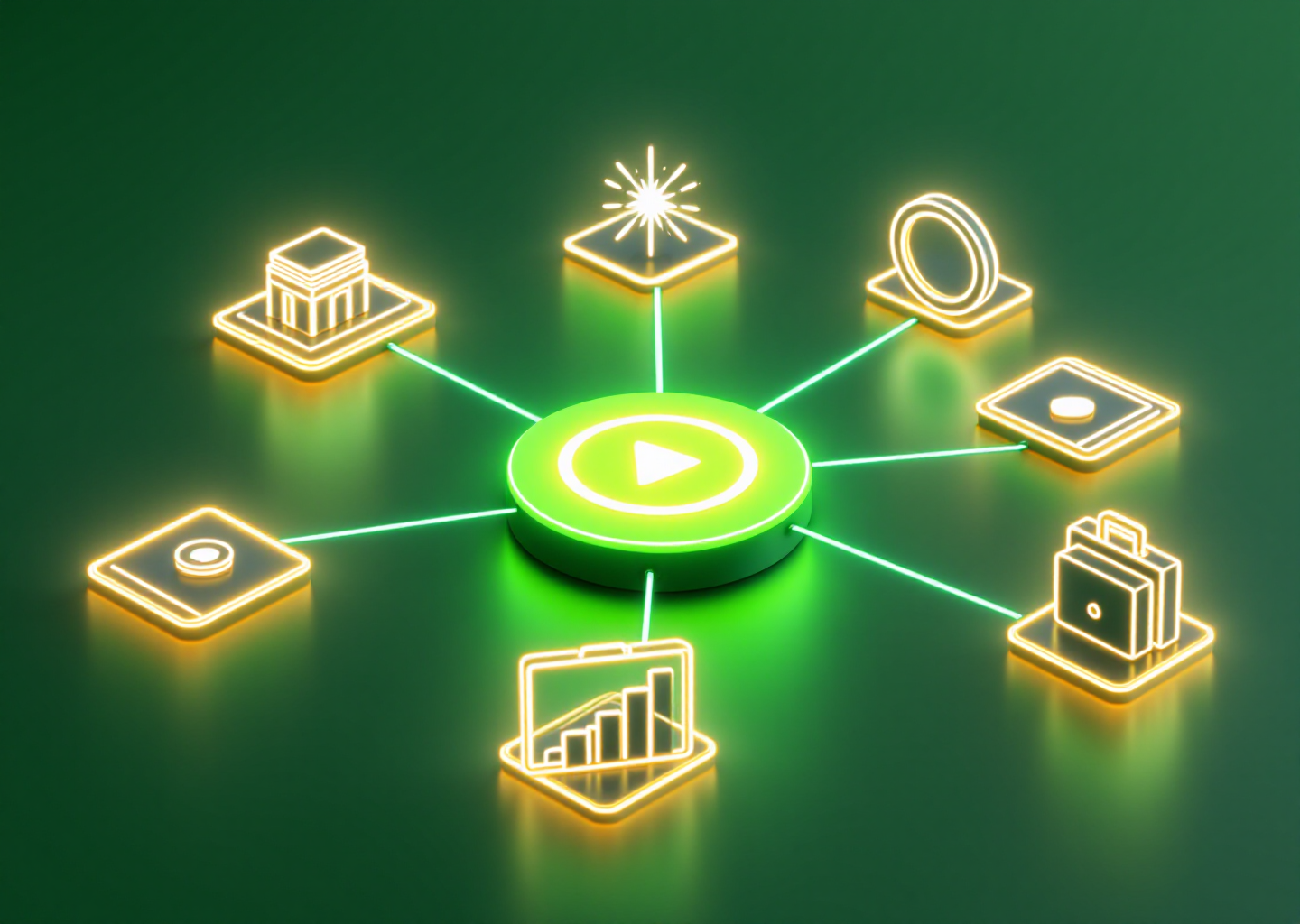
An example, simplified view of how parts of an ICP are used later in the platform.
The problem
When the target customer is written down as small businesses, or anyone who needs this, every headline has to stay vague enough to fit them all. The result reads as safe, and it gets ignored.
Most people marketing their own business, or a list of clients, know roughly who the best customer is. That knowledge rarely gets written down in a form the work can use. So the ad talks to one buyer, the blog post to another, and the sales script to whoever happens to be on the call. An ICP settles who the reader is before any of it is written.
Go from the ICP to the people inside itA specific reader for every outputMessaging, content and campaigns are written for the buyers in the ICP, using the problems and goals they would describe themselves.
More than one ICP when you need itA business can hold several ICPs, each with its own fit score and priority, so you can decide which segment the next campaign is for.
Timing, not just targetingTrigger events record the moments a buyer starts looking, so your marketing shows up when the need is real.
What an ICP holds
Every ICP starts with a name and a description. The rest is organised into the groups below. Fill in what you know now and add to it as you learn more about the buyers who say yes.
Industry, company size, revenue range, funding stage, employee count and years in business. Together they set the scale of the buyer's problem and the language that fits their world.
Country, region and city, plus market reach. Location shapes examples, references and timing. Reach tells you whether the buyer thinks locally or across several markets.
Tech stack, tools used and the platforms where they spend time. The platforms tell you which channels matter. The tools hint at what they already rely on.
Buying process, decision timeframe, budget authority and price sensitivity. The buying process tells you who has to be convinced, and the timeframe tells you how long follow-up needs to last.
Business goals, challenges, pain points and priorities. This is where message angles come from: the problem in their words and the result they want.
Trigger events, fit score, priority and linked products. Triggers tell you when to show up. Fit and priority tell you which ICP comes first, and linked products tell you what to offer.
Where it is used next
Once the ICP is defined, the next pieces of work stop starting from a blank page. Each one begins with the buyer you described here.
Personas describe the individual people inside an ICP, with the concerns and objections each of them brings.
ExploreChannel plans start from the platforms the ICP actually uses, rather than from every channel available.
ExploreScripts follow the buying process and speak to the pain points recorded in the ICP, so conversations start from what matters to the buyer.
ExploreBusiness intelligence
An ICP gets sharper when it sits next to your products, your customer personas and your competitor research.
Tell us about the customers you want more of, for your own business or for a client. We will build an ICP with you in Mengo and show you where it is used next.
Rather write directly? Email info@mengo.si.